

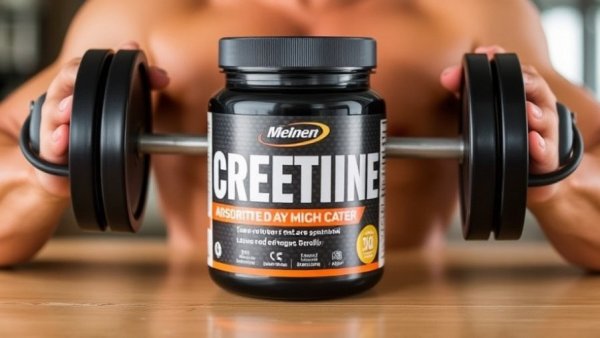
Unlocking the Potential of Creatine
Creatine isn't just for athletes; it offers far-reaching benefits that everyone can take advantage of. While many associate it with bulking up in the gym, recent research indicates that this natural compound, produced from amino acids and found in foods like meat and fish, plays a crucial role in energy efficiency, particularly as we age.
The Science Behind Creatine
Creatine works by enhancing adenosine triphosphate (ATP) production, our body's primary energy carrier. During high-intensity activities, such as lifting or sprinting, creatine aids in regenerating ATP quickly, which ensures optimal performance. For older adults and those looking to enhance their physical health, supplementing with creatine in conjunction with resistance training could lead to significant strength improvements and better metabolic health.
Creatine and Women’s Health
Historically, research on creatine has focused on men, but growing interest has sparked studies into its effects on women. Factors like pregnancy and menopause can influence how women metabolize creatine, making further research crucial. Preliminary findings suggest supplementation can improve strength and overall exercise performance when combined with structured training, particularly beneficial for postmenopausal women seeking to sustain muscle health.
Broader Impacts on Cognitive Function
Beyond physical strength, creatine supplementation is now being examined for its cognitive benefits. Anecdotal evidence suggests that creatine may improve memory and cognitive performance during sleep deprivation—a potential boon for dental professionals juggling demanding schedules. As more studies are conducted, the implications for brain health could redefine how we view creatine.
Conclusion: Embracing Creatine as a Health Ally
From enhancing athletic performance to supporting healthy aging and cognitive function, creatine is a versatile supplement that deserves a greater spotlight. However, it's essential to remember that supplementation should complement balanced nutrition, exercise, and rest rather than replace them. As professionals in the dental industry, exploring ways to implement beneficial maintenance practices in our lives can resonate well with the importance we place on oral and overall health.




Write A Comment