
cropper
Dental Business Newswire
  • Home
  • Categories
    • Dental
    • Business
    • Insurance
    • Technology
    • Legal
    • Regulatory
    • Trends
    • Insights
    • Updates
    • Market
October 26.2026
2 Minutes Read

Why Dental Professionals Must Focus on Bone Health and Osteoporosis

Bone health, systemic health, and dentistry: Part 1

The Crucial Connection Between Bone Health and Dentistry

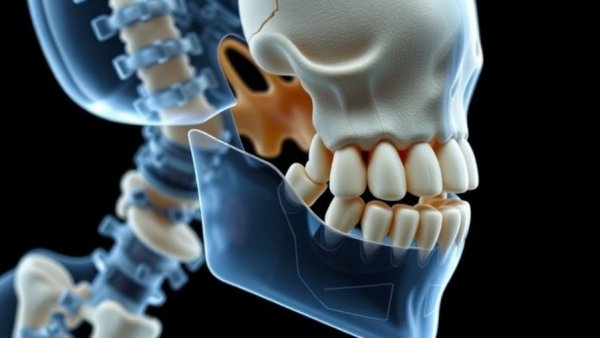
Understanding bone health is essential not only for medical professionals but especially for dentists who can play a pivotal role in early identification and prevention of osteoporosis. While often associated with older adults, osteoporosis is a multifaceted condition that can begin affecting individuals much earlier in life. This article aims to highlight how dental professionals can influence patient outcomes by addressing bone health from adolescence to old age.

Recognizing Risk Factors Early

Dental practitioners have unique access to patient health histories and clinical examinations that can unveil early indicators of low bone density. By screening for common risk factors, such as family history and lifestyle choices, dentists can help identify at-risk patients who may need further evaluation. Early referral for bone density scans can significantly improve health trajectories and decrease the incidence of fractures later in life.

Empowering Patients Through Education

As trusted healthcare providers, dentists are in an ideal position to educate patients about osteoporosis, its risks, and the importance of maintaining peak bone mass. By highlighting the impact of nutrition—specifically calcium and vitamin D intake—along with an active lifestyle, dental professionals can foster better health practices among their patients, ultimately leading to stronger bones and reduced risk of fractures.

Osteoporosis: A Silent Threat

Osteoporosis is often referred to as a 'silent disease' because it typically develops without noticeable symptoms until a fracture occurs. Dental professionals must stress the necessity of regular screenings, particularly for individuals over the age of 50, to detect bone loss before it culminates in dire consequences. Educating patients about the gravity of osteoporosis—especially the potential ramifications of hip fractures that carry high mortality rates—can inspire proactive engagement in preventive health measures.

Looking Ahead: Collaboration is Key

As the healthcare landscape continues to evolve, a collaborative approach between dental and medical professionals can significantly enhance osteoporosis management. By staying informed and working together, we can provide comprehensive care that not only addresses dental health but promotes systemic health as well. This partnership is crucial in shaping a healthier future across all age groups.


Updates

8 Views

0 Comments

Write A Comment

*
*
Please complete the captcha to submit your comment.
Related Posts All Posts
10.31.2026

Discover Why Creatine is a Game-Changer for Energy Efficiency in Dentistry

Update Unlocking the Potential of Creatine Creatine isn't just for athletes; it offers far-reaching benefits that everyone can take advantage of. While many associate it with bulking up in the gym, recent research indicates that this natural compound, produced from amino acids and found in foods like meat and fish, plays a crucial role in energy efficiency, particularly as we age. The Science Behind Creatine Creatine works by enhancing adenosine triphosphate (ATP) production, our body's primary energy carrier. During high-intensity activities, such as lifting or sprinting, creatine aids in regenerating ATP quickly, which ensures optimal performance. For older adults and those looking to enhance their physical health, supplementing with creatine in conjunction with resistance training could lead to significant strength improvements and better metabolic health. Creatine and Women’s Health Historically, research on creatine has focused on men, but growing interest has sparked studies into its effects on women. Factors like pregnancy and menopause can influence how women metabolize creatine, making further research crucial. Preliminary findings suggest supplementation can improve strength and overall exercise performance when combined with structured training, particularly beneficial for postmenopausal women seeking to sustain muscle health. Broader Impacts on Cognitive Function Beyond physical strength, creatine supplementation is now being examined for its cognitive benefits. Anecdotal evidence suggests that creatine may improve memory and cognitive performance during sleep deprivation—a potential boon for dental professionals juggling demanding schedules. As more studies are conducted, the implications for brain health could redefine how we view creatine. Conclusion: Embracing Creatine as a Health Ally From enhancing athletic performance to supporting healthy aging and cognitive function, creatine is a versatile supplement that deserves a greater spotlight. However, it's essential to remember that supplementation should complement balanced nutrition, exercise, and rest rather than replace them. As professionals in the dental industry, exploring ways to implement beneficial maintenance practices in our lives can resonate well with the importance we place on oral and overall health.

10.29.2026

Why Accurate Clinical Documentation is Key for Preventive Dental Billing

Update Understanding the Importance of Clinical Documentation in DentistryThe world of dentistry is not just about providing exceptional care; it's also about ensuring that care is well-documented and financially viable. Accurate clinical documentation, especially when it comes to preventive dental billing, can significantly impact a dental practice's revenue cycle management (RCM). By focusing on thorough clinical notes, dental practices can protect their financial health and enhance their operations.Mastering SOAP Notes for Financial SuccessOne of the fundamental aspects emphasized in the world of preventative dental billing is the need for complete SOAP notes. SOAP notes consist of four components: Subjective, Objective, Assessment, and Plan. Each aspect is crucial. For instance, a comprehensive Subjective section might detail the patient's current complaints, while the Objective section should report the findings from examinations and any tests carried out. Without this precision, documentation risks being deemed inadequate, leaving practices vulnerable to denied claims.Shared Responsibility: A Team EffortIt’s essential that everyone in the dental team understands their role in the documentation process. Clear delineation of responsibilities can help ensure all necessary details are captured during patient visits. Regular audits of documented clinical encounters can help identify areas for improvement, fostering a culture of accountability and clarity within the practice. This strengthens not only the documentation process but also the team dynamics, minimizing friction between clinical and administrative staff.Mitigating Claim Denials through Best PracticesClaim denials can result in lost revenue and increased stress within a dental practice. To combat this, dental practices must adopt proactive measures focusing on clinical documentation. Conducting regular audits where team members review documentation from a variety of patient encounters can highlight common errors or omissions. By addressing these issues, practices can create a preventative approach instead of a reactive one, ultimately aiding in smoother claims processing.Please Don’t Ignore Your Clinical Notes!As vital as it is to provide quality care, it’s equally vital to document it effectively. When clinicians settle for incomplete or vague clinical notes, they jeopardize both their licenses and their practice's financial health. An engaged approach to clinical documentation, supported by standard protocols like SOAP notes, not only boosts revenue but also builds a positive work environment.

10.24.2026

How Dental Practices Can Tackle Rising Costs with Effective Payment Strategies

Update Navigating Rising Costs in Dental Practices Dental service organizations (DSOs) are feeling the financial pinch as expenses continue to rise alongside inflation and stagnating reimbursement rates. In light of these challenges, it’s crucial for dentists to develop strategies not just for cutting costs, but also for increasing revenue. Here, we explore two effective methods that can help DSOs adapt and thrive amidst tightening margins. Streamlining Payment Options for Patients One of the simplest yet most effective ways dental practices can enhance cash flow is by improving payment options for patients. With nearly half of U.S. adults expressing concerns about affording care, removing barriers to payment is crucial. Practices should consider enabling: Online Payments: Seventy-five percent of patients prefer to pay online. Making this option available can prevent delays in collections and encourage timely payments. Text-to-Pay: Digital payment links sent via text can expedite collections dramatically. For instance, one practice successfully collected over $350,000 within just two hours of implementing this method, showcasing its effectiveness. Flexible Payment Plans: With 63% of patients interested in payment plans, offering customized options can be a significant draw for potential clients. Additionally, using cards on file to streamline time-of-service collections can lead to better revenue flow, albeit with considerations for processing costs. Strategic Surcharging to Offset Processing Costs While improving payment methods is vital, DSOs must also manage the challenges presented by card processing fees. By employing compliant surcharging, dental practices can reduce these costs significantly. However, navigating the complexities of surcharging—including state laws and card network regulations—requires careful planning and staff training. Here are some key points to consider: Understand regulatory guidelines: It's imperative to be aware of which payment types can incur surcharges and which cannot, particularly concerning government health programs like Medicare and Medicaid. Regularly audit practices: Ensure all staff are updated on the latest surcharging protocols to prevent compliance issues. As healthcare economics shift, utilizing innovative payment solutions and compliant surcharging can empower dental practices to maintain financial health and provide quality care without compromising on service.

WorldPulse News

Write a small description of your business and the core features and benefits of your products.

COMPANY

  • Privacy Policy
  • Terms of Use
  • Advertise
  • Contact Us
  • Menu 5
  • Menu 6

AVAILABLE FROM 8AM - 5PM

City, State

12 Clarendon Ave., GREENVILLE, SC

ABOUT US

Write a small description of your business and the core features and benefits of your products.

© 2026 CompanyName All Rights Reserved. Address . Contact Us . Terms of Service . Privacy Policy

Terms of Service

Privacy Policy

Core Modal Title

Sorry, no results found

You Might Find These Articles Interesting

T
Please Check Your Email
We Will Be Following Up Shortly
*
*
*